Western Europe Population Pyramid 2016
Western Europe in 2016
In 2016, Western Europe had a total population of 194,155,565 people. Over the previous ten years the population grew by 3.8%, up from 187,082,409 in 2006.
The median age was 43.4 years, and for every 100 people of working age (15–64) there were 24.0 children under 15 and 30.6 people aged 65 or over. The narrow base of the pyramid marks a constrictive age structure: fertility below replacement level and a rising share of older people.
Data source: United Nations World Population Prospects, 2024 revision (medium variant) — last updated July 2024.
The World Bank does not publish this indicator for regions or continents.
The World Bank does not publish this indicator for regions or continents.
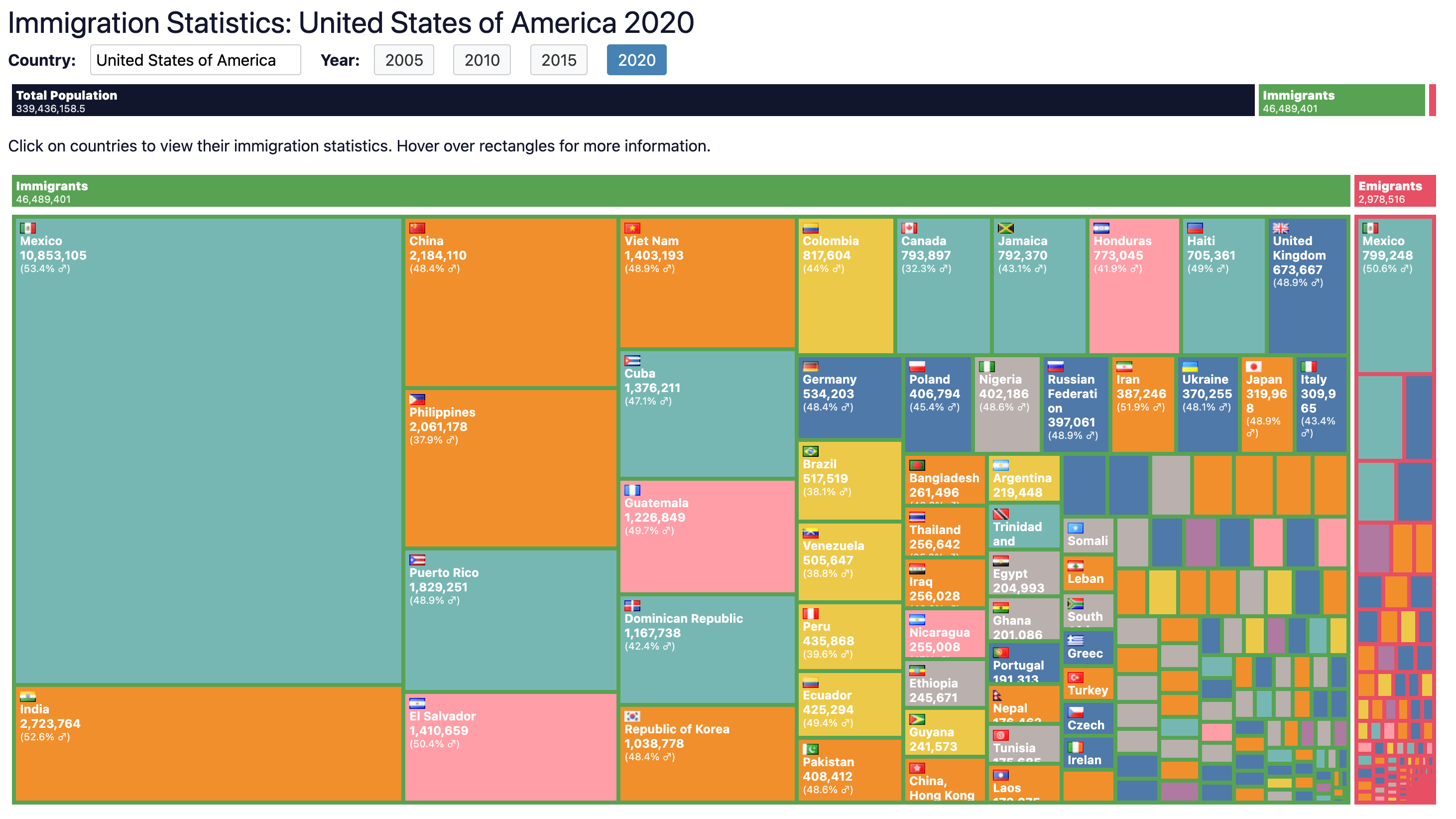
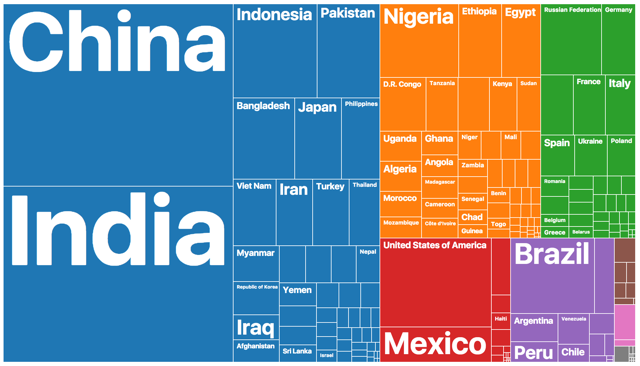
31,204,854 immigrants live in Western Europe.
| Poland | 2,397,087 |
| Turkey | 2,343,059 |
| Ukraine | 1,901,825 |
| Morocco | 1,670,534 |
| Romania | 1,518,727 |
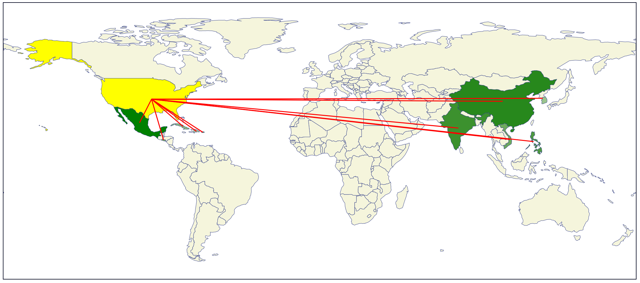
9,008,522 people born in Western Europe live in other countries.
| United States of America | 1,390,671 |
| Switzerland | 667,982 |
| Italy | 567,585 |
| Spain | 564,622 |
| France | 562,804 |