Singapore Population Pyramid (1950–2100)
Year
2026Singapore in 2026
As of 2026, Singapore counts an estimated 5,905,748 inhabitants. That is 5.9% more than in 2016, when the population stood at 5,577,930.
With a median age of 37.9 years, Singapore has a youth dependency ratio of 16.0 and an old-age dependency ratio of 20.1 per 100 people of working age. The narrow base of the pyramid marks a constrictive age structure: fertility below replacement level and a rising share of older people.
Data source: United Nations World Population Prospects, 2024 revision (medium variant) — last updated July 2024.
In 2023 women in Singapore had on average 0.97 children, below the replacement level of 2.1.
Source: World Bank World Development Indicators, latest available year.
A child born there in 2023 could expect to live 82.9 years on average (85.2 years for girls, 80.7 for boys).
Source: World Bank World Development Indicators, latest available year.
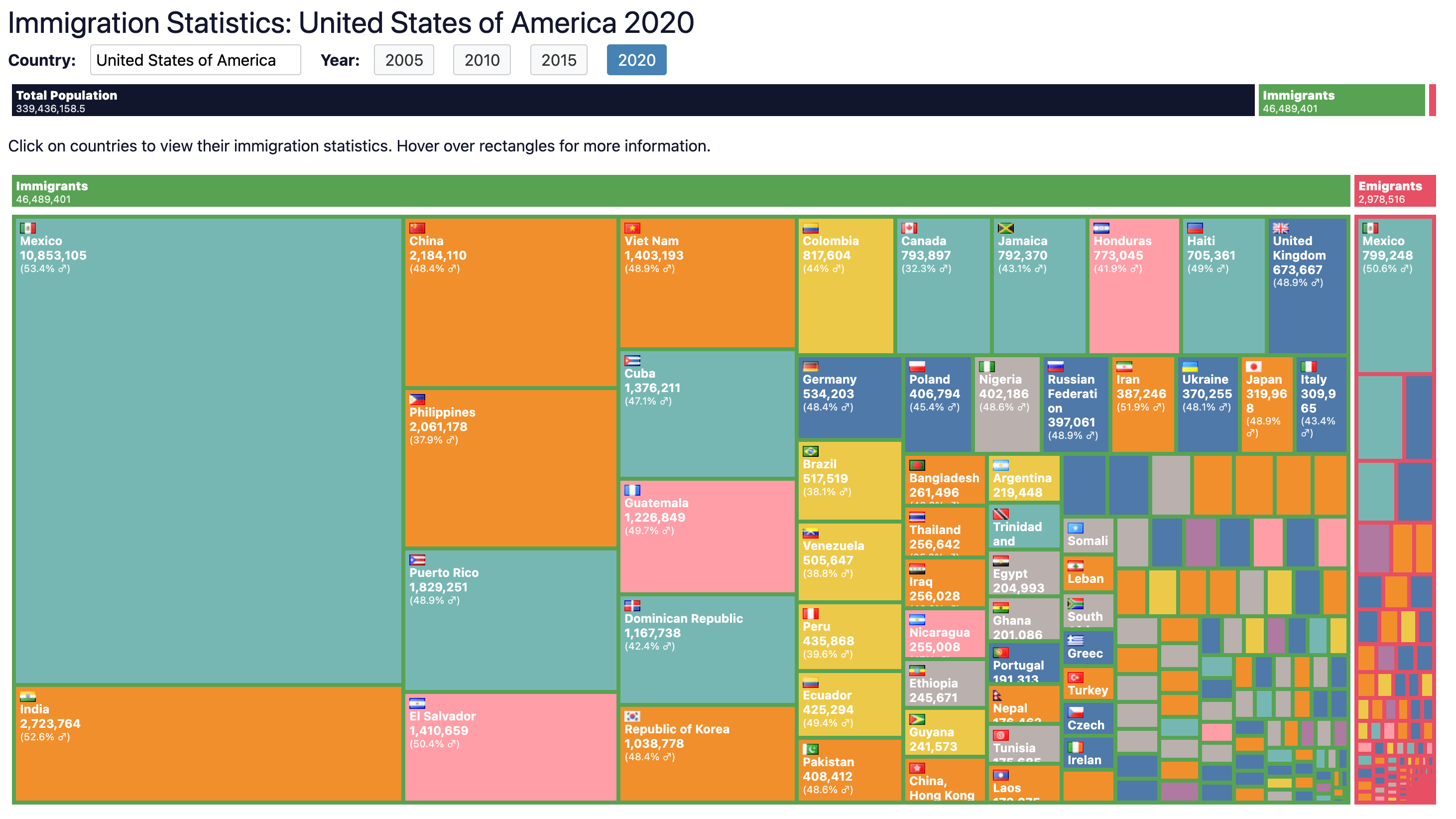
2,709,692 immigrants live in Singapore, 46.5% of the population.
| Malaysia | 1,553,249 |
| China | 533,745 |
| India | 377,038 |
| Indonesia | 180,437 |
| United States of America | 26,705 |
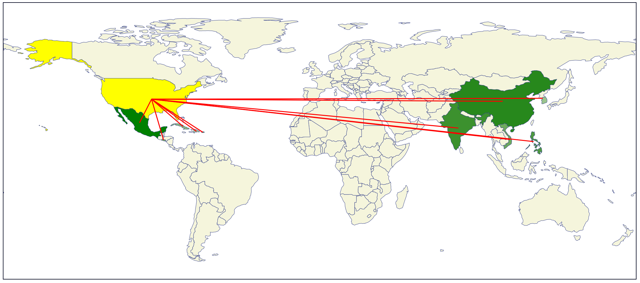
269,604 people born in Singapore live in other countries.
| Malaysia | 79,926 |
| Australia | 68,087 |
| United Kingdom | 45,936 |
| Bangladesh | 12,909 |
| Canada | 12,878 |
Source: United Nations International Migrant Stock 2024.
| Country | Population | Median age | Relative size |
|---|---|---|---|
| Singapore | 5,905,748 | 37.9 | |
| Laos | 7,974,018 | 26.3 | |
| Timor-Leste | 1,436,923 | 23.2 | |
| Brunei Darussalam | 469,775 | 34.2 | |
| Cambodia | 18,051,220 | 27.4 |