Kuwait Population Pyramid (1950–2100)
Kuwait in 2026
As of 2026, Kuwait counts an estimated 5,102,773 inhabitants. That is 27.4% more than in 2016, when the population stood at 4,003,971.
With a median age of 35.8 years, Kuwait has a youth dependency ratio of 22.5 and an old-age dependency ratio of 4.1 per 100 people of working age. The pyramid is stationary: cohort sizes are roughly even through the younger ages, reflecting fertility close to replacement level and slow population change.
Data source: United Nations World Population Prospects, 2024 revision (medium variant) — last updated July 2024.
In 2023 women in Kuwait had on average 1.52 children, below the replacement level of 2.1.
Source: World Bank World Development Indicators, latest available year.
Life expectancy at birth was 83.2 years in 2023: 83.7 for women and 82.7 for men.
Source: World Bank World Development Indicators, latest available year.
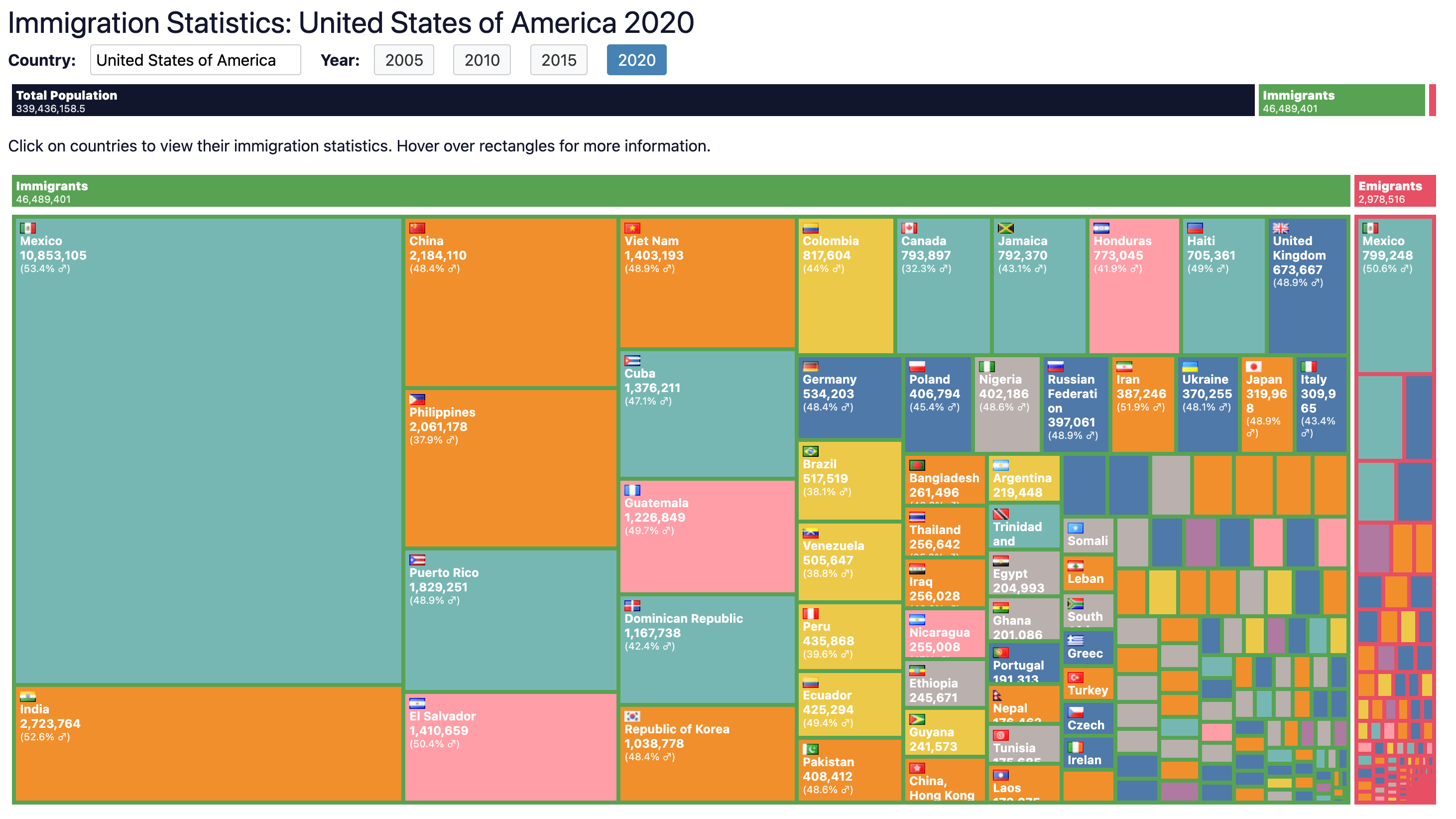
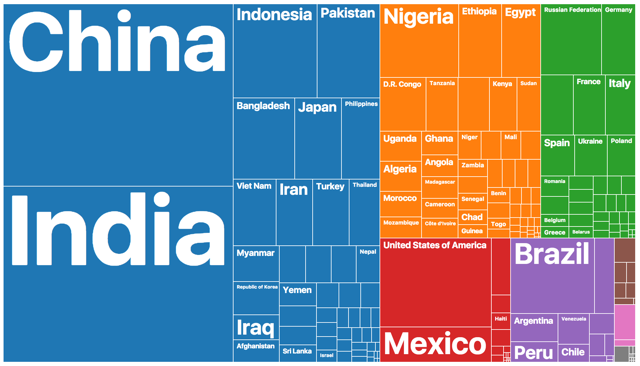
3,190,398 immigrants live in Kuwait, 64.7% of the population.
| India | 1,231,094 |
| Egypt | 449,863 |
| Bangladesh | 406,077 |
| Pakistan | 362,255 |
| Philippines | 210,397 |
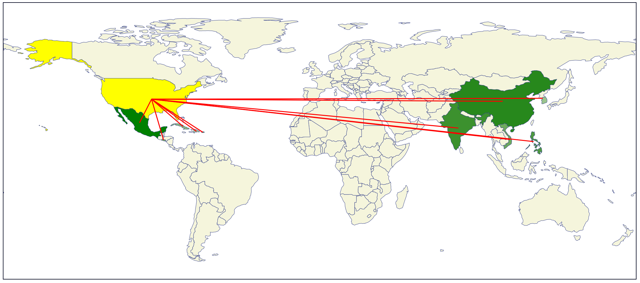
167,850 people born in Kuwait live in other countries.
| United Arab Emirates | 63,192 |
| State of Palestine | 19,583 |
| Canada | 18,999 |
| Turkey | 15,838 |
| Libya | 12,185 |
Source: United Nations International Migrant Stock 2024.
| Country | Population | Median age | Relative size |
|---|---|---|---|
| Kuwait | 5,102,773 | 35.8 | |
| Oman | 5,671,459 | 30.8 | |
| State of Palestine | 5,692,790 | 21.3 | |
| Lebanon | 5,897,467 | 30.0 | |
| Georgia | 3,804,642 | 38.6 |