Russian Federation Population Pyramid 1985
Russian Federation in 1985
As of 1985, the Russian Federation counted 143,569,389 inhabitants. A decade earlier, in 1975, the population was 134,136,098; it has grown by 7.0% since.
Half of the population was younger than 32.0 years; 22.6% were children under 15 and 9.6% were 65 or older. This is a stationary pyramid — similar numbers in each age group up to the older cohorts, the signature of near-replacement fertility.
Data source: United Nations World Population Prospects, 2024 revision (medium variant) — last updated July 2024.
In 2023 women in the Russian Federation had on average 1.41 children, below the replacement level of 2.1.
Source: World Bank World Development Indicators, latest available year.
Life expectancy at birth was 73.3 years in 2023: 78.7 for women and 68.0 for men.
Source: World Bank World Development Indicators, latest available year.
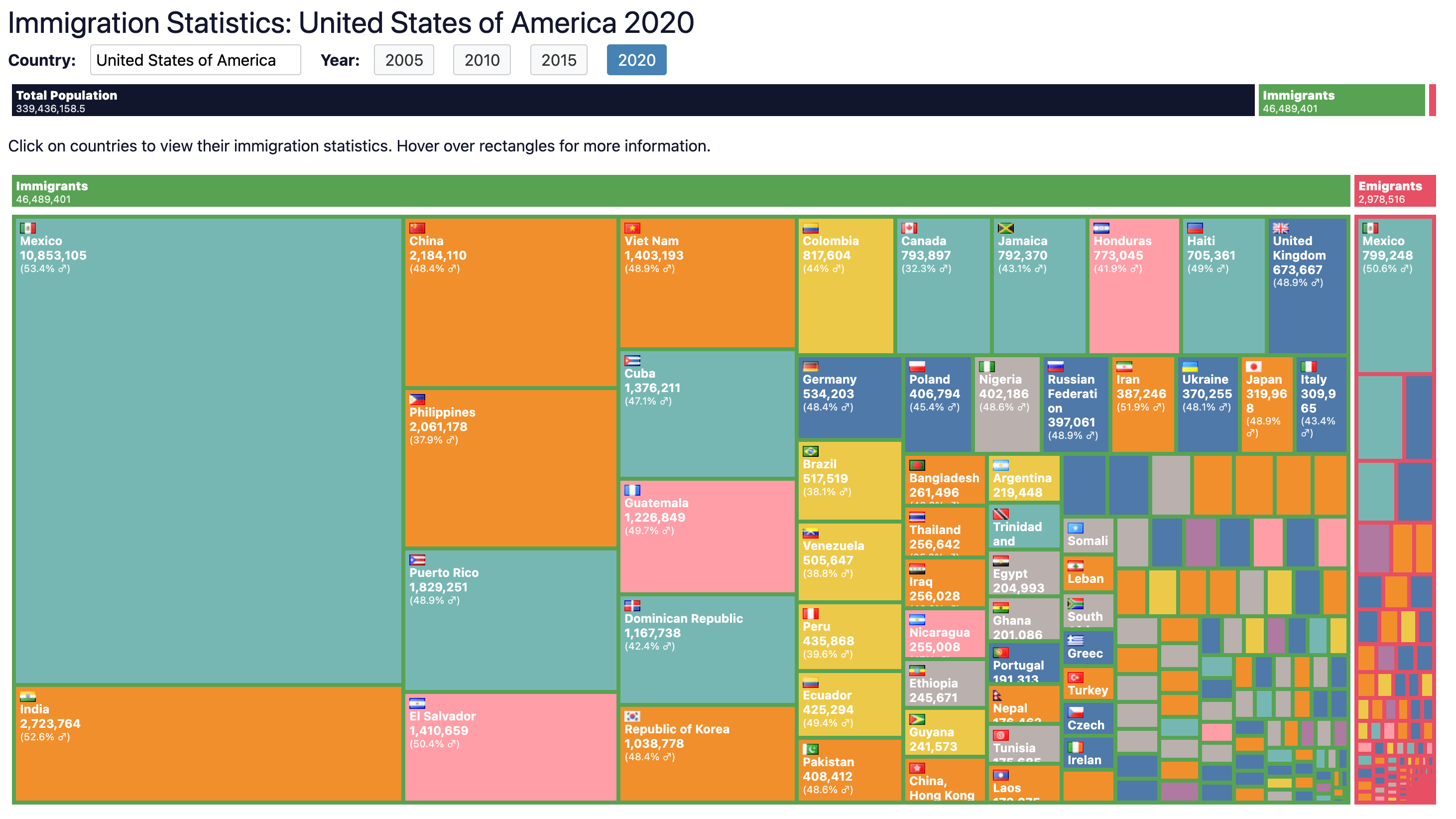
7,270,597 immigrants live in Russian Federation, 5.0% of the population.
| Ukraine | 2,872,612 |
| Kazakhstan | 1,321,004 |
| Uzbekistan | 778,041 |
| Tajikistan | 415,676 |
| Armenia | 340,512 |
9,133,942 people born in Russian Federation live in other countries.
| Ukraine | 3,375,095 |
| Germany | 1,137,448 |
| Uzbekistan | 865,767 |
| Belarus | 664,610 |
| Kazakhstan | 552,258 |
Source: United Nations International Migrant Stock 2024.
| Country | Population | Median age | Relative size |
|---|---|---|---|
| Russian Federation | 143,569,389 | 32.0 | |
| Ukraine | 51,108,771 | 33.8 | |
| Poland | 37,200,853 | 30.8 | |
| Romania | 22,605,820 | 32.5 | |
| Hungary | 10,547,265 | 35.1 |