Romania Population Pyramid 2016
Romania in 2016
In 2016, Romania had a total population of 19,777,050 people. That is 6.0% less than in 2006, when the population stood at 21,035,732.
With a median age of 41.7 years, Romania had a youth dependency ratio of 23.5 and an old-age dependency ratio of 26.3 per 100 people of working age. The narrow base of the pyramid marks a constrictive age structure: fertility below replacement level and a rising share of older people.
Data source: United Nations World Population Prospects, 2024 revision (medium variant) — last updated July 2024.
The fertility rate of Romania was 1.71 births per woman in 2023, under the 2.1 needed to replace each generation.
Source: World Bank World Development Indicators, latest available year.
Life expectancy at birth was 76.6 years in 2023: 80.5 for women and 72.9 for men.
Source: World Bank World Development Indicators, latest available year.
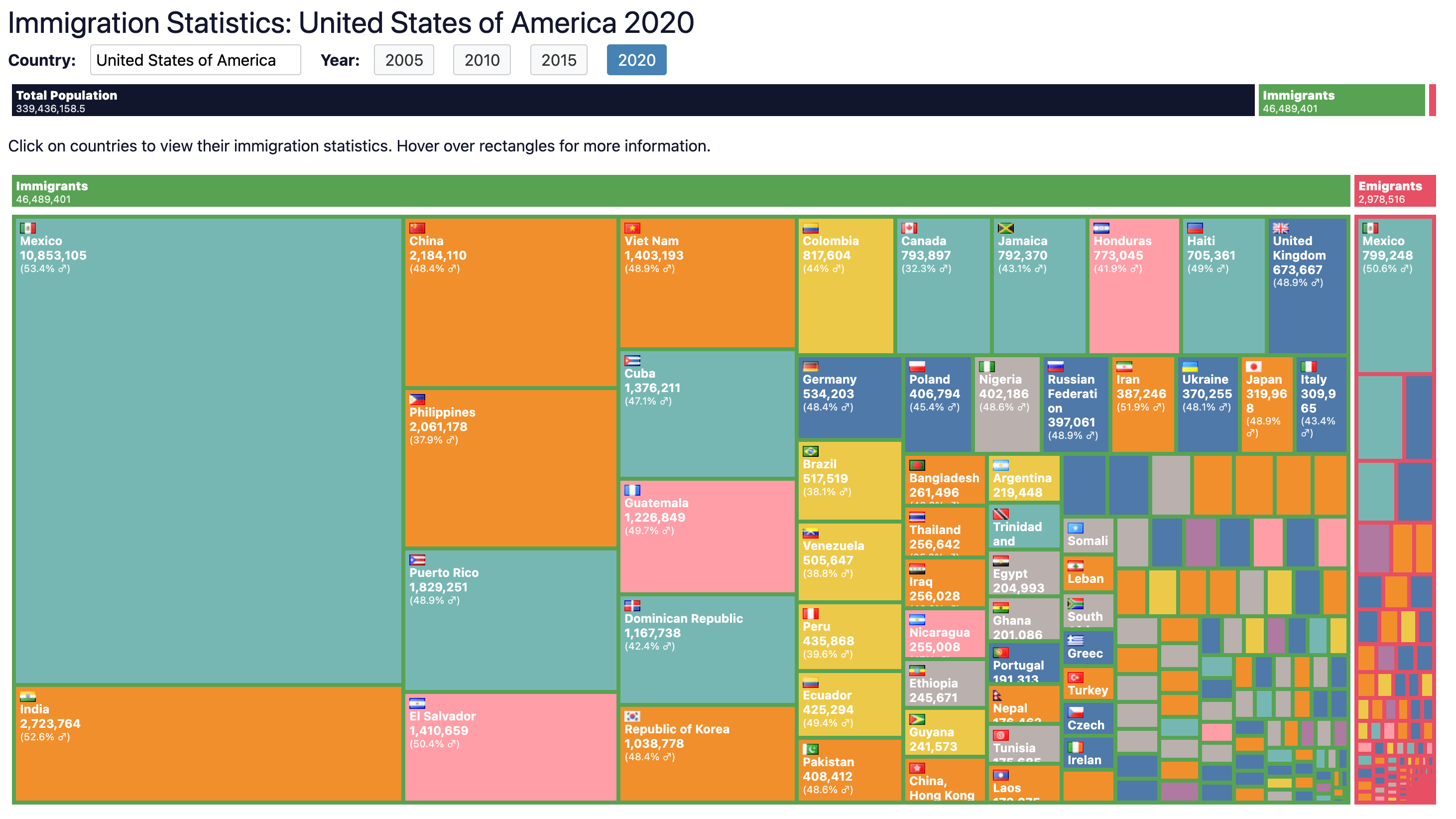
584,030 immigrants live in Romania, 3.1% of the population.
| Ukraine | 182,364 |
| Italy | 87,680 |
| Spain | 85,101 |
| Republic of Moldova | 80,610 |
| United Kingdom | 48,738 |
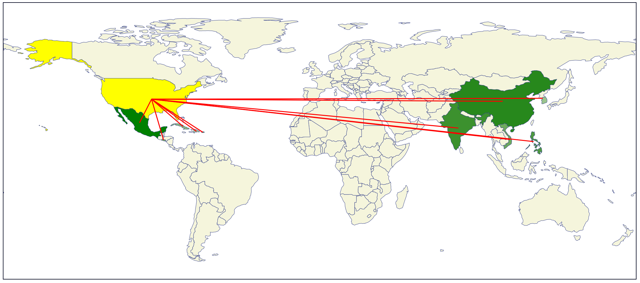
4,583,201 people born in Romania live in other countries.
| Germany | 968,697 |
| Italy | 880,402 |
| United Kingdom | 713,578 |
| Spain | 522,578 |
| Hungary | 253,045 |
Source: United Nations International Migrant Stock 2024.
| Country | Population | Median age | Relative size |
|---|---|---|---|
| Romania | 19,777,051 | 41.7 | |
| Czech Republic | 10,531,948 | 41.9 | |
| Hungary | 9,810,532 | 42.3 | |
| Belarus | 9,499,064 | 39.7 | |
| Bulgaria | 7,127,434 | 43.8 |