Ghana Population Pyramid 2030
Ghana in 2030
United Nations projections (medium variant) put the population of Ghana at 38,222,089 in 2030. Ten years before, in 2020, the projected population is 31,887,809 — 19.9% lower.
With a projected median age of 23.5 years, Ghana would have a youth dependency ratio of 53.4 and an old-age dependency ratio of 7.1 per 100 people of working age. The broad-based, expansive shape of the pyramid points to high fertility and strong population growth.
Data source: United Nations World Population Prospects, 2024 revision (medium variant) — last updated July 2024.
The fertility rate of Ghana was 3.40 births per woman in 2023, above the 2.1 needed to replace each generation.
Source: World Bank World Development Indicators, latest available year.
Life expectancy at birth was 65.5 years in 2023: 67.9 for women and 63.1 for men.
Source: World Bank World Development Indicators, latest available year.
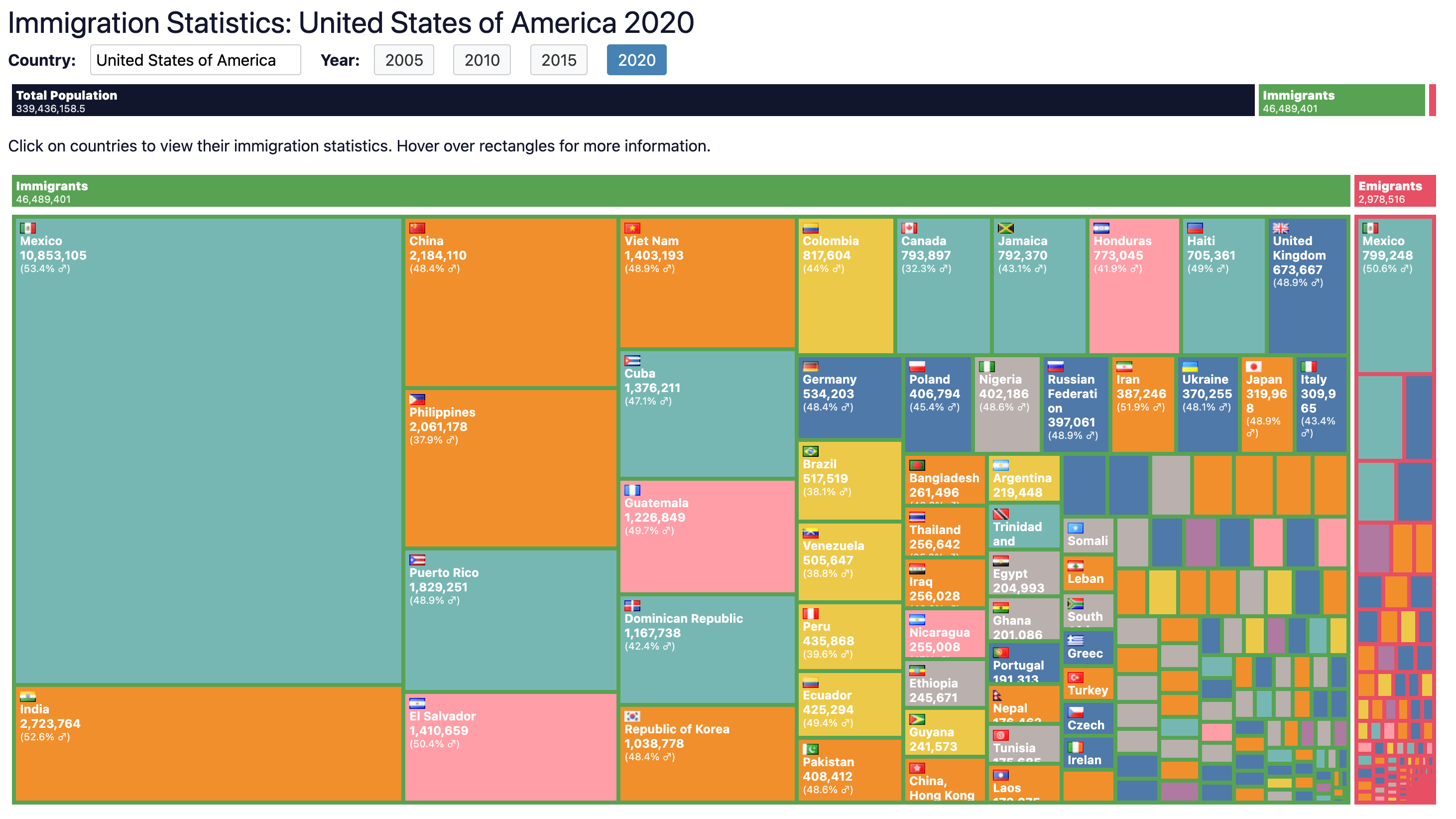
453,291 immigrants live in Ghana, 1.3% of the population.
| Togo | 115,972 |
| Nigeria | 90,111 |
| Côte d'Ivoire | 82,933 |
| Burkina Faso | 75,339 |
| Liberia | 39,038 |
1,055,447 people born in Ghana live in other countries.
| United States of America | 258,358 |
| Nigeria | 255,531 |
| United Kingdom | 154,782 |
| Côte d'Ivoire | 97,313 |
| Italy | 48,828 |
Source: United Nations International Migrant Stock 2024.
| Country | Population | Median age | Relative size |
|---|---|---|---|
| Ghana | 38,222,089 | 23.5 | |
| Côte d'Ivoire | 36,699,009 | 20.3 | |
| Niger | 32,518,075 | 17.5 | |
| Mali | 29,002,865 | 17.6 | |
| Burkina Faso | 26,730,325 | 20.2 |