Germany Population Pyramid 2018
Germany in 2018
As of 2018, Germany counted 83,368,506 inhabitants. That is 2.8% more than in 2008, when the population stood at 81,110,776.
Half of the population was younger than 45.8 years; 13.6% were children under 15 and 21.4% were 65 or older. The narrow base of the pyramid marks a constrictive age structure: fertility below replacement level and a rising share of older people.
Data source: United Nations World Population Prospects, 2024 revision (medium variant) — last updated July 2024.
The fertility rate of Germany was 1.39 births per woman in 2023, under the 2.1 needed to replace each generation.
Source: World Bank World Development Indicators, latest available year.
A child born there in 2023 could expect to live 80.5 years on average (83.0 years for girls, 78.2 for boys).
Source: World Bank World Development Indicators, latest available year.
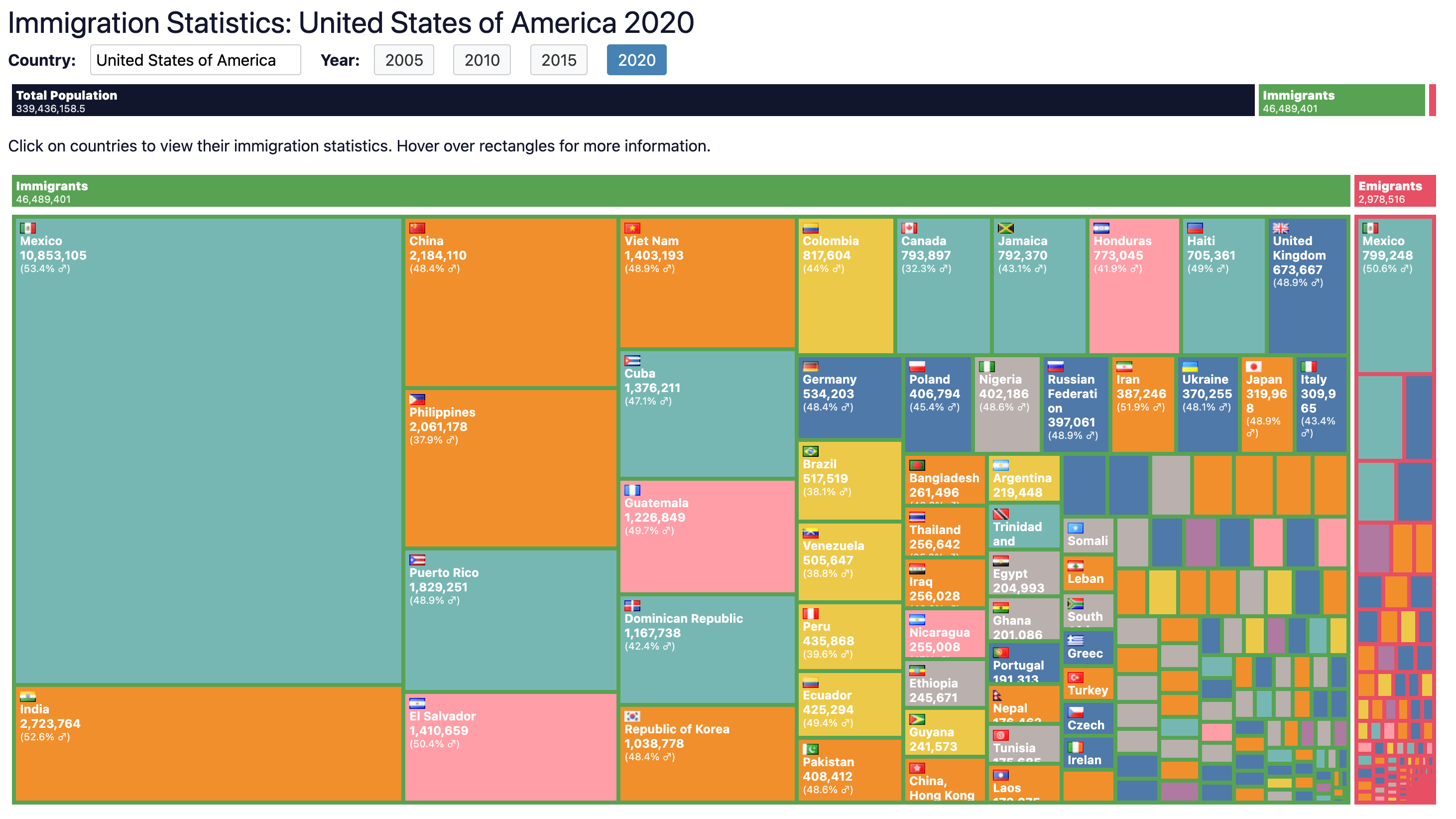
13,612,825 immigrants live in Germany, 16.1% of the population.
| Poland | 1,883,559 |
| Turkey | 1,504,743 |
| Ukraine | 1,416,521 |
| Russian Federation | 1,137,448 |
| Romania | 968,697 |
4,294,284 people born in Germany live in other countries.
| United States of America | 1,137,577 |
| Switzerland | 371,816 |
| Turkey | 363,563 |
| United Kingdom | 287,772 |
| Austria | 268,460 |
Source: United Nations International Migrant Stock 2024.
| Country | Population | Median age | Relative size |
|---|---|---|---|
| Germany | 83,368,506 | 45.8 | |
| France | 65,519,543 | 41.9 | |
| Netherlands | 17,421,280 | 42.4 | |
| Belgium | 11,428,605 | 41.7 | |
| Austria | 8,841,651 | 43.2 |