United Kingdom Population Pyramid 2015
United Kingdom in 2015
As of 2015, the United Kingdom counted 65,382,110 inhabitants. That is 7.9% more than in 2005, when the population stood at 60,596,108.
Half of the population was younger than 39.8 years; 17.9% were children under 15 and 17.8% were 65 or older. The pyramid is stationary: cohort sizes are roughly even through the younger ages, reflecting fertility close to replacement level and slow population change.
Data source: United Nations World Population Prospects, 2024 revision (medium variant) — last updated July 2024.
The fertility rate of the United Kingdom was 1.56 births per woman in 2023, under the 2.1 needed to replace each generation.
Source: World Bank World Development Indicators, latest available year.
A child born there in 2023 could expect to live 81.2 years on average (83.2 years for girls, 79.4 for boys).
Source: World Bank World Development Indicators, latest available year.
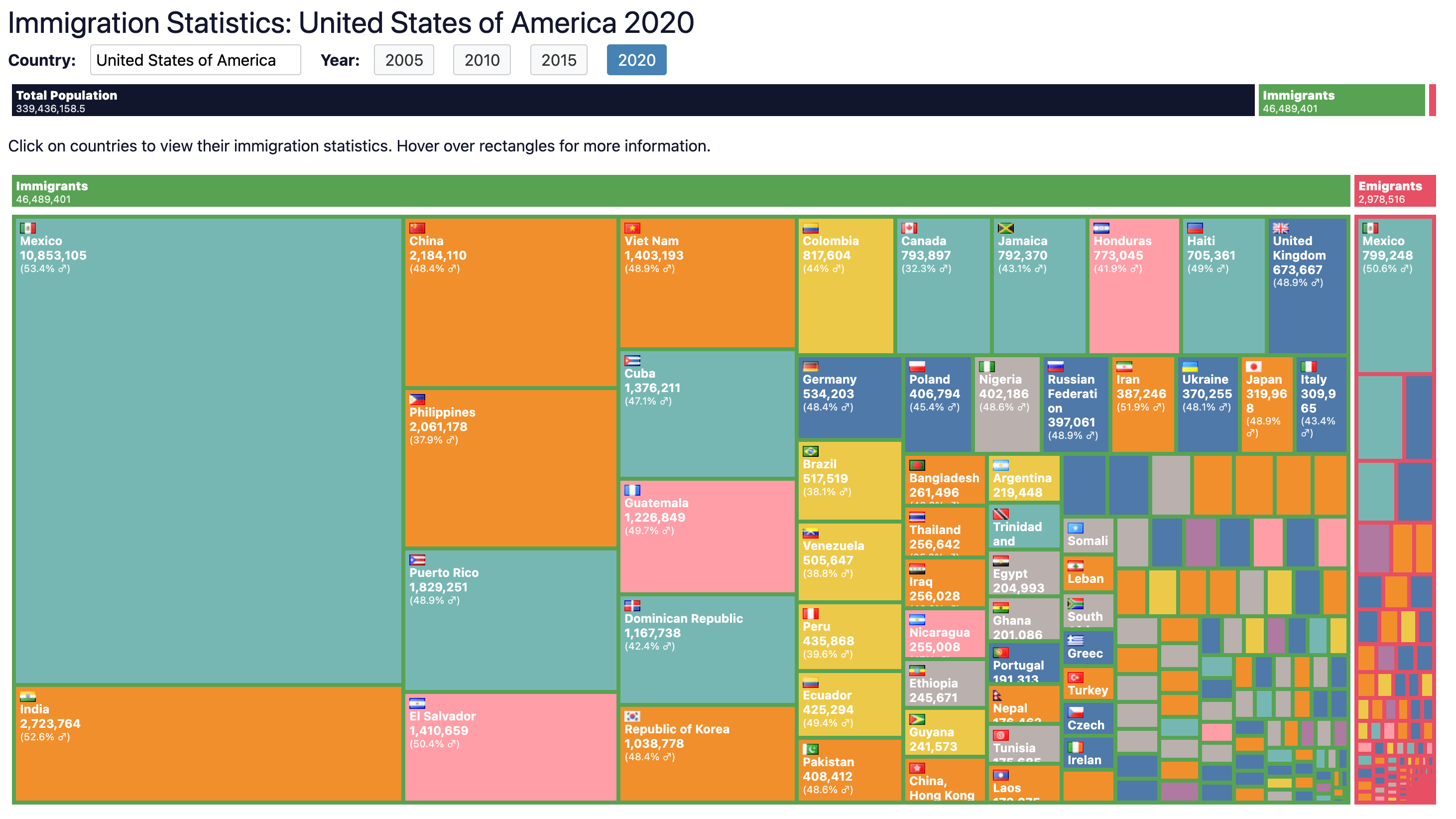
8,730,397 immigrants live in United Kingdom, 12.6% of the population.
| India | 1,044,779 |
| Poland | 902,193 |
| Romania | 713,578 |
| Pakistan | 703,309 |
| Ireland | 360,446 |
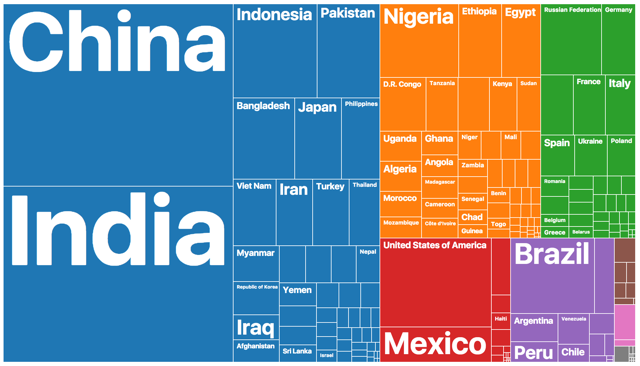
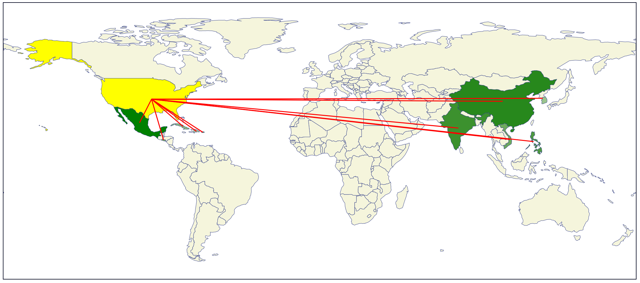
4,751,880 people born in United Kingdom live in other countries.
| Australia | 1,107,102 |
| United States of America | 894,789 |
| Canada | 427,526 |
| Spain | 294,986 |
| Ireland | 293,559 |
Source: United Nations International Migrant Stock 2024.
| Country | Population | Median age | Relative size |
|---|---|---|---|
| United Kingdom | 65,382,110 | 39.8 | |
| Sweden | 9,799,482 | 40.9 | |
| Denmark | 5,683,701 | 41.5 | |
| Finland | 5,479,718 | 42.5 | |
| Norway | 5,189,771 | 39.2 |