Saudi Arabia Population Pyramid 2016
Year
2016Saudi Arabia in 2016
As of 2016, Saudi Arabia counted 30,717,808 inhabitants. A decade earlier, in 2006, the population was 21,459,144; it has grown by 43.1% since.
Half of the population was younger than 28.6 years; 24.9% were children under 15 and 2.2% were 65 or older. This is a stationary pyramid — similar numbers in each age group up to the older cohorts, the signature of near-replacement fertility.
Data source: United Nations World Population Prospects, 2024 revision (medium variant) — last updated July 2024.
The fertility rate of Saudi Arabia was 2.28 births per woman in 2023, above the 2.1 needed to replace each generation.
Source: World Bank World Development Indicators, latest available year.
Life expectancy at birth was 78.7 years in 2023: 81.2 for women and 77.1 for men.
Source: World Bank World Development Indicators, latest available year.
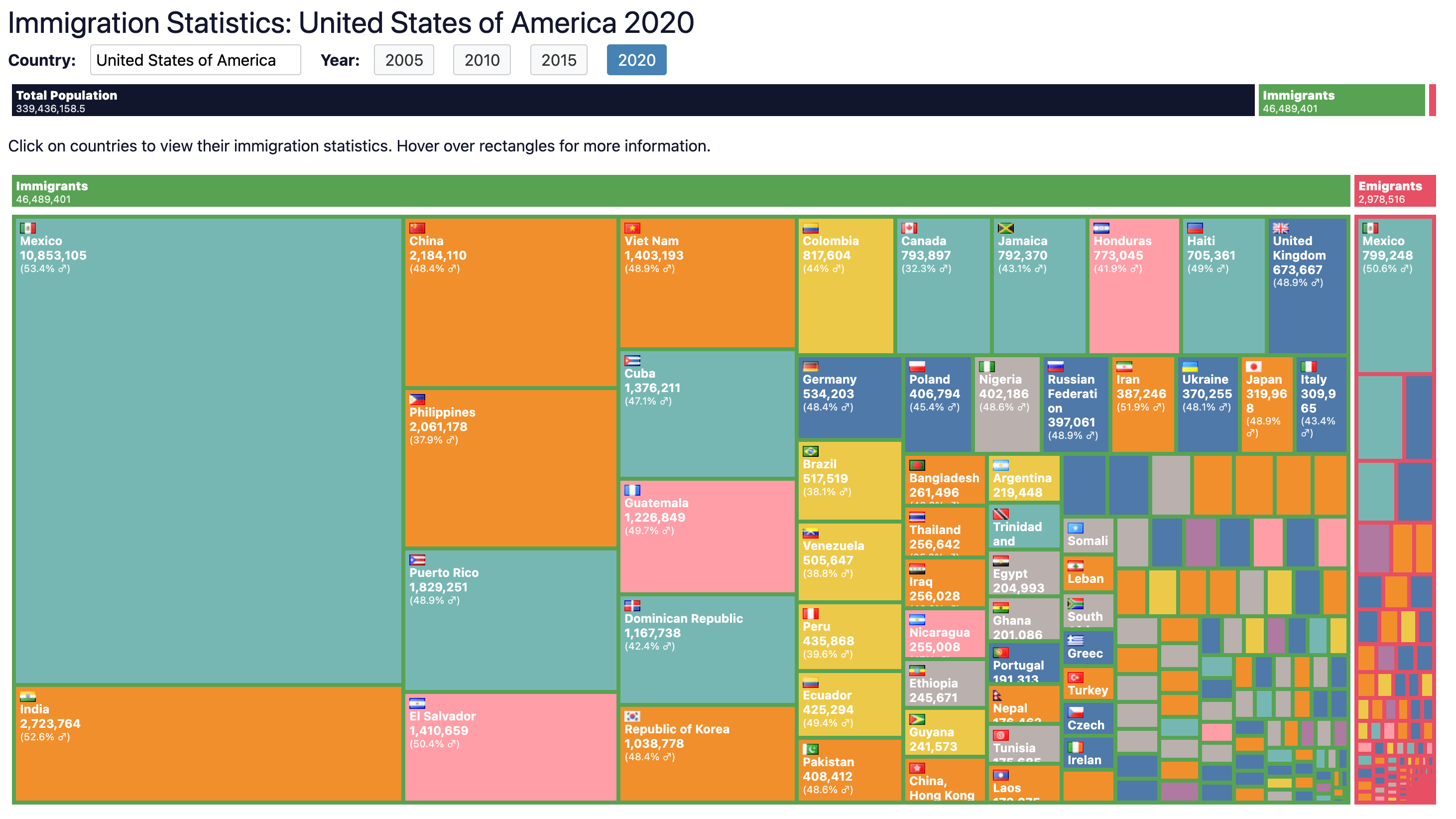
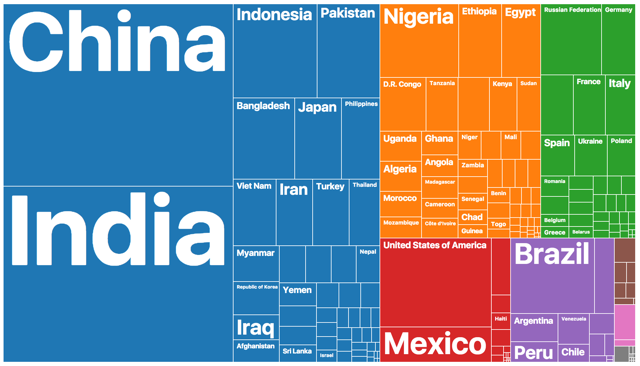
13,394,579 immigrants live in Saudi Arabia, 39.4% of the population.
| Bangladesh | 2,362,680 |
| Yemen | 1,999,619 |
| India | 1,953,496 |
| Pakistan | 1,937,044 |
| Egypt | 1,498,313 |
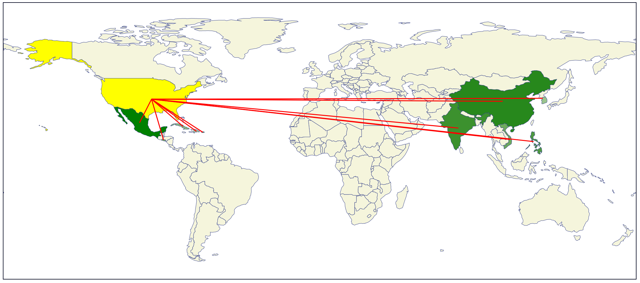
236,699 people born in Saudi Arabia live in other countries.
| Turkey | 61,221 |
| Libya | 40,027 |
| Canada | 35,996 |
| State of Palestine | 24,923 |
| Australia | 14,397 |
Source: United Nations International Migrant Stock 2024.
| Country | Population | Median age | Relative size |
|---|---|---|---|
| Saudi Arabia | 30,717,809 | 28.6 | |
| Yemen | 32,109,010 | 18.8 | |
| Iraq | 38,469,627 | 19.7 | |
| Syrian Arab Republic | 19,193,834 | 19.5 | |
| Jordan | 10,006,367 | 22.9 |