Brazil Population Pyramid 2016
Brazil in 2016
In 2016, Brazil had a total population of 203,218,114 people. That is 8.9% more than in 2006, when the population stood at 186,653,105.
With a median age of 31.9 years, Brazil had a youth dependency ratio of 31.6 and an old-age dependency ratio of 11.9 per 100 people of working age. This is a stationary pyramid — similar numbers in each age group up to the older cohorts, the signature of near-replacement fertility.
Data source: United Nations World Population Prospects, 2024 revision (medium variant) — last updated July 2024.
The fertility rate of Brazil was 1.62 births per woman in 2023, under the 2.1 needed to replace each generation.
Source: World Bank World Development Indicators, latest available year.
A child born there in 2023 could expect to live 75.8 years on average (79.0 years for girls, 72.8 for boys).
Source: World Bank World Development Indicators, latest available year.
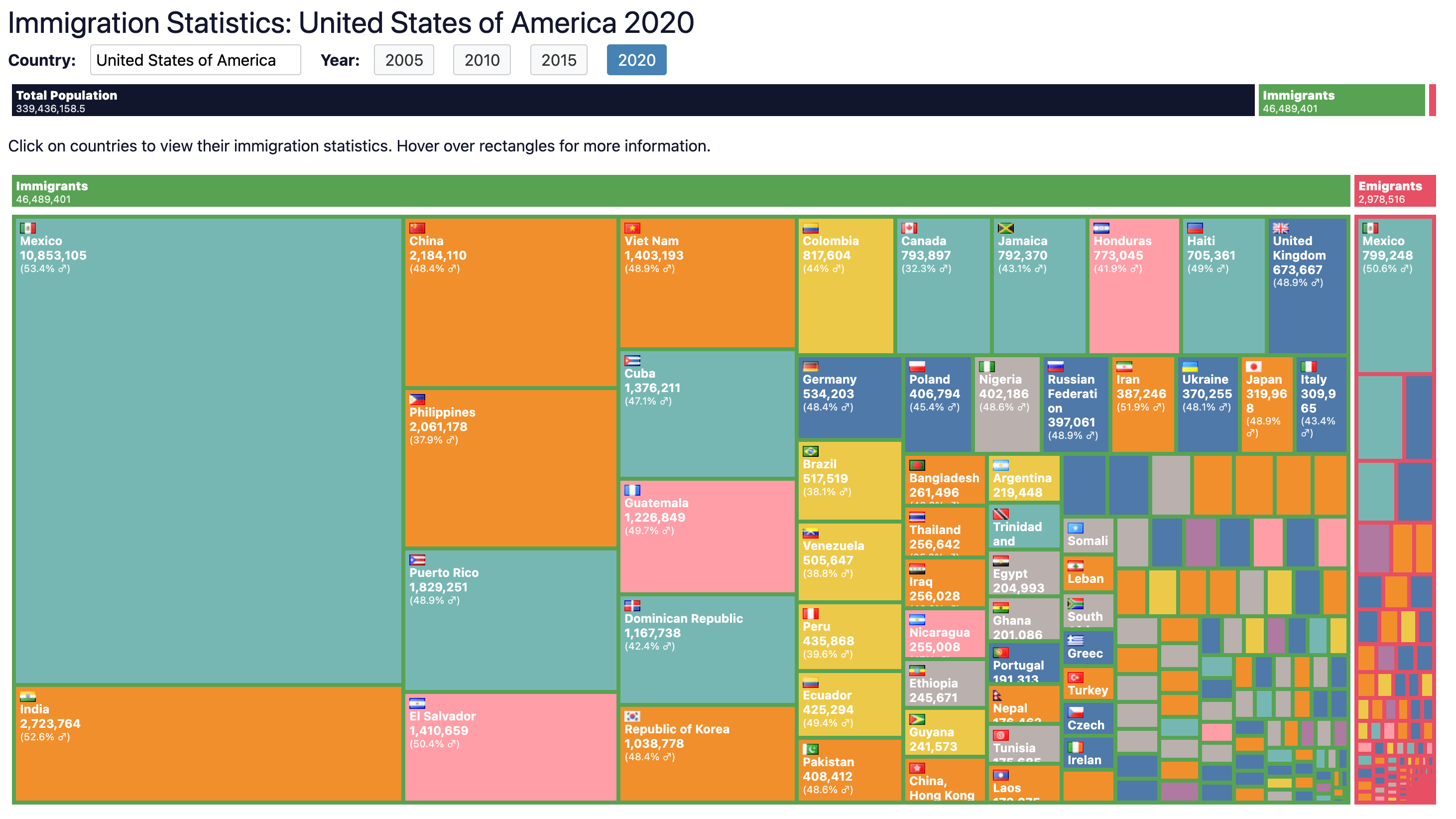
1,387,343 immigrants live in Brazil, 0.7% of the population.
| Venezuela | 571,919 |
| Portugal | 146,697 |
| Haiti | 88,383 |
| Paraguay | 53,941 |
| Japan | 52,758 |
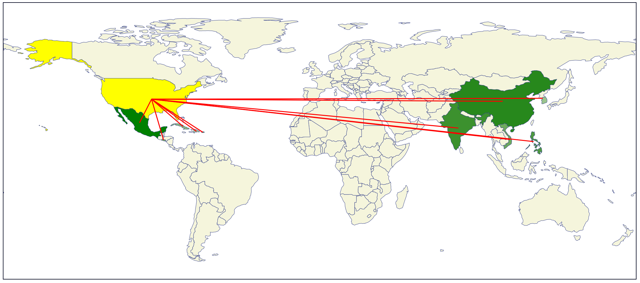
2,193,956 people born in Brazil live in other countries.
| United States of America | 738,994 |
| Japan | 207,220 |
| Spain | 179,946 |
| Portugal | 173,266 |
| Italy | 137,935 |
Source: United Nations International Migrant Stock 2024.
| Country | Population | Median age | Relative size |
|---|---|---|---|
| Brazil | 203,218,114 | 31.9 | |
| Colombia | 47,437,512 | 30.0 | |
| Argentina | 43,900,314 | 31.1 | |
| Peru | 30,866,494 | 28.4 | |
| Venezuela | 30,765,721 | 27.7 |