Australia Population Pyramid 2030
Australia in 2030
United Nations projections (medium variant) put the population of Australia at 28,188,540 in 2030. Compared with 2020, when the projection stands at 25,743,791, that represents growth of 9.5% over ten years.
Half of the population would be younger than 40.6 years, with 16.9% children under 15 and 19.8% aged 65 or older. This is a constrictive pyramid — its base is narrower than its middle, the signature of sustained low birth rates and population ageing.
Data source: United Nations World Population Prospects, 2024 revision (medium variant) — last updated July 2024.
In 2023 women in Australia had on average 1.50 children, below the replacement level of 2.1.
Source: World Bank World Development Indicators, latest available year.
Life expectancy at birth was 83.1 years in 2023: 85.1 for women and 81.1 for men.
Source: World Bank World Development Indicators, latest available year.
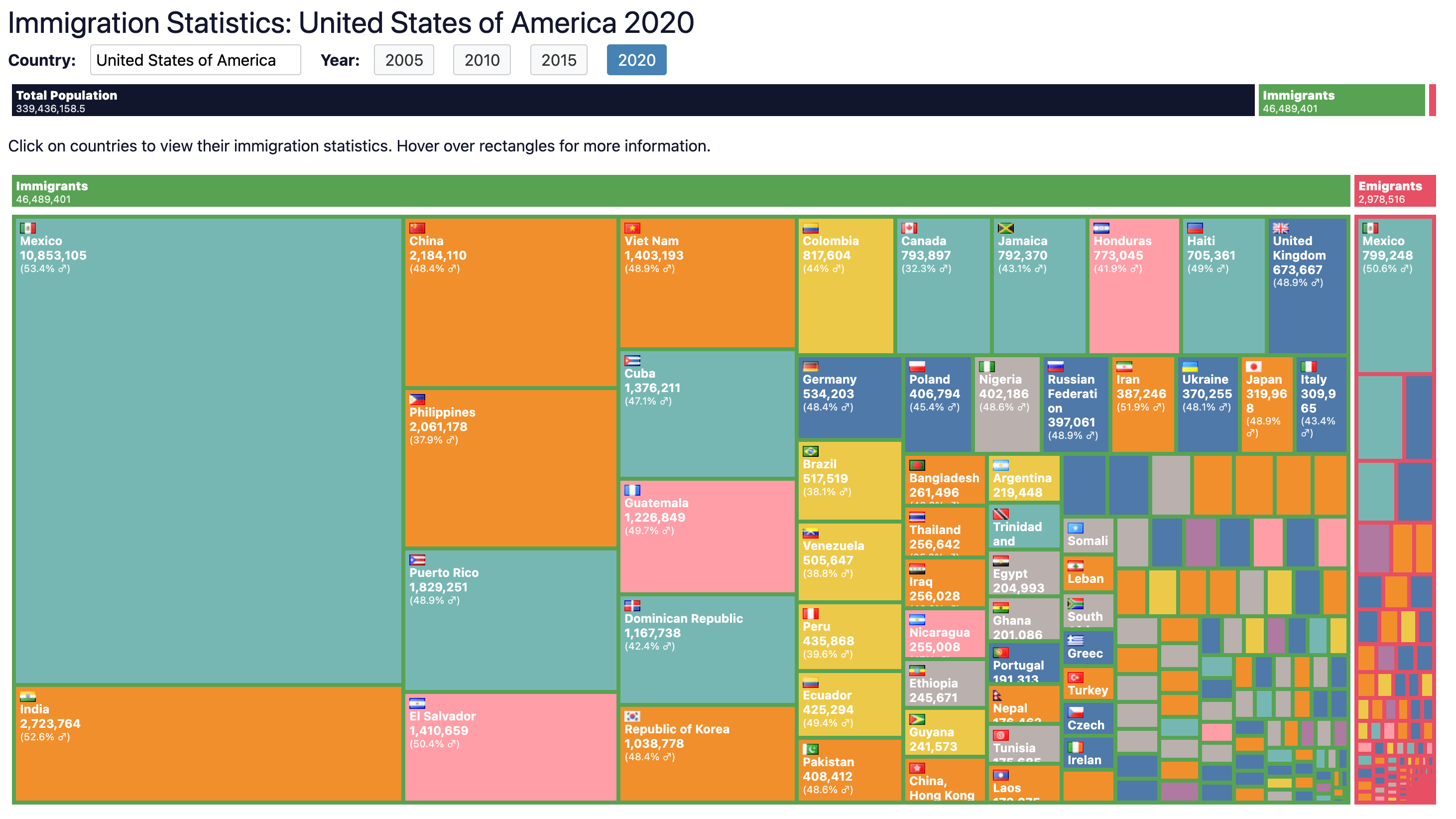
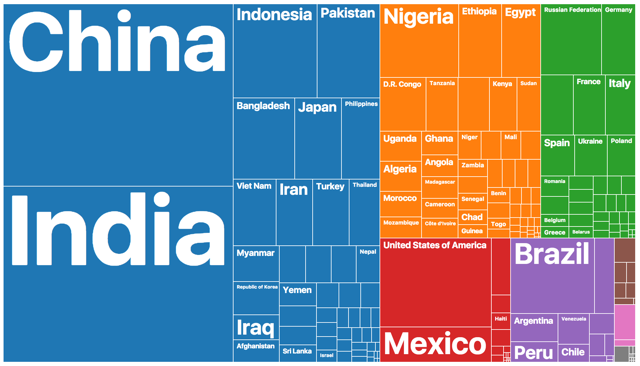
8,097,262 immigrants live in Australia, 30.3% of the population.
| United Kingdom | 1,107,102 |
| India | 876,074 |
| China | 656,264 |
| New Zealand | 588,088 |
| Philippines | 356,833 |
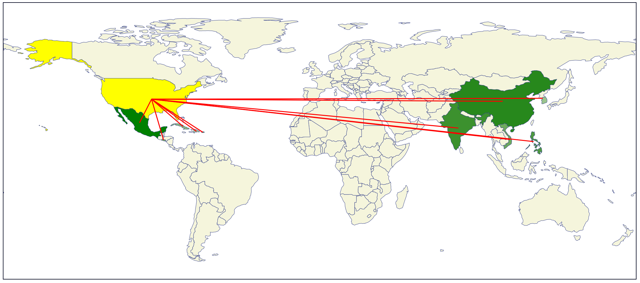
429,374 people born in Australia live in other countries.
| United Kingdom | 124,319 |
| New Zealand | 89,129 |
| Canada | 26,777 |
| Malta | 22,753 |
| Greece | 21,915 |
Source: United Nations International Migrant Stock 2024.
| Country | Population | Median age | Relative size |
|---|---|---|---|
| Australia | 28,188,540 | 40.6 | |
| New Zealand | 5,407,349 | 40.2 |